Trip guides / Planning
Can You Drink the Tap Water in Portugal? Yes (2026 Guide)
Can you drink the tap water in Portugal? Yes. Portuguese tap water is treated, regulated and safe to drink across the country. Here’s what it tastes like in different regions, how to order it in restaurants, and how to cut down on plastic bottles.
Quick answer: yes, tap water is safe to drink all over Portugal, including Lisbon, Porto, the Algarve, Madeira and the Azores. For 2025, the regulator ERSAR rated 98.84% of mainland tap water safe, with Lisbon at 99.27% and Porto at 99.76%; Madeira scored 98.79%. In some areas, especially parts of the Algarve, it can taste of chlorine. In restaurants and cafés, ask for “água da torneira”: by law it must be free.
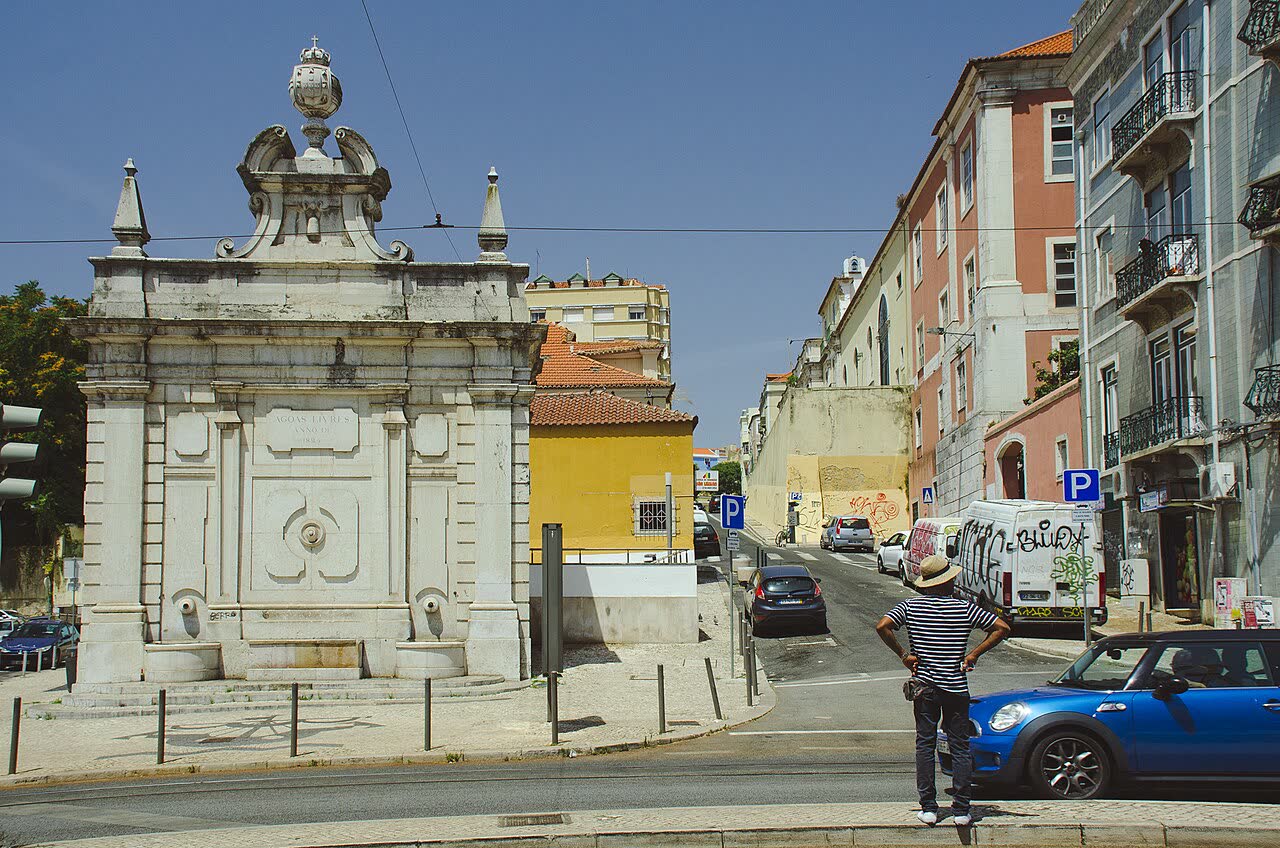
How safe is it?
Very safe. Portugal’s water regulator, ERSAR, publishes yearly figures on drinking water quality. Its latest figures, for 2025, rate 98.84% of the tap water on the mainland as safe, a figure it calls excellent. Of the mainland’s municipalities, 81% scored 99% or more and 15% scored 100%. Water companies treat and test the supply constantly, and the rules follow the same EU drinking water standards used across Europe.
So the main question for visitors is taste, not safety. Plenty of Portuguese families still buy bottled water out of habit or preference, which is why you see so many big bottles in supermarket trolleys. That doesn’t mean the tap is unsafe.
Madeira and the Azores have their own regional authorities, which publish their own yearly results. The water on both island groups is treated and tested in the same way as on the mainland.
Tap water by region
“Safe water” is the regulator’s score: the share of required tests carried out, multiplied by the share that met the legal limits.
| Where | Supplier | Safe water |
|---|---|---|
| Lisbon | EPAL | 99.27% (2025) |
| Porto | Águas e Energia do Porto | 99.76% (2025) |
| Cascais | Águas de Cascais | 100% (2025) |
| Faro | FAGAR | 99.45% (2025) |
| Albufeira | Albufeira council | 99.52% (2025) |
| Lagos | Lagos council | 99.53% (2025) |
| Évora | Évora council | 99.86% (2025) |
| Madeira (whole region) | Several suppliers | 98.79% (2025) |
| Azores (whole region) | Several suppliers | 99.26% (2024); Ponta Delgada 100% |
- Lisbon and Porto: good quality and fine to drink. Lisbon’s water comes mainly from the Castelo do Bode reservoir and tastes clean and fairly neutral.
- The Algarve: safe, but the taste is noticeably chlorinated in places. Leaving a jug in the fridge for a while helps the chlorine taste fade.
- The Alentejo: safe on the mains, though in some areas the water is hard and leaves white marks on kettles.
- Madeira and the Azores: safe, often from mountain springs.
- Rural areas: mains water is safe. Avoid untreated springs or fountains marked “água não controlada” (untested water) or “água imprópria para consumo” (not fit to drink).
If you’re renting a holiday home in an old building or a remote spot with its own well or borehole, ask the owner whether the water is from the mains. If in doubt, drink bottled.
Why does the water taste different?
Water companies add a small amount of chlorine so the water stays safe all the way through the pipes to your tap. Where the water travels a long way, as in parts of the south, the taste can be stronger. Hard water, which is common in limestone areas, has more calcium and magnesium. It’s harmless, but it can taste slightly mineral and leaves scale in kettles. If you have a sensitive stomach, any change of water can take a day or two to get used to, wherever you travel.
From Stephen: We do drink the tap water, but we also bought a Culligan water tank. It costs a bit, but it’s great to have nice clean water. Sometimes you can really smell the chlorine in the tap water.
In restaurants
Restaurants usually bring bottled water, which you pay for. If you’d rather have tap water, ask for “água da torneira” (tap water) or “um jarro de água” (a jug of water). Since 2021 the law has required restaurants, cafés and hotels to keep tap water and proper glasses available for customers eating or drinking there, free of charge. Choose “natural” for room temperature, “fresca” for chilled or “com gás” for sparkling.
Bottled water in a restaurant is usually cheap compared with northern Europe. Popular Portuguese brands include Luso and Monchique for still water, and Pedras Salgadas and Vidago for sparkling. It’s fine to say no to anything you didn’t order, including the bread and olives brought to the table. See Portuguese etiquette.
Ice, coffee and food
Ice in bars and restaurants is made with mains water or bought in bags, and it’s safe. The same goes for salads washed in tap water, coffee and tea. You don’t need to take any special care with food or drinks because of the water in Portugal.
Useful phrases
- Água da torneira, por favor: tap water, please.
- A água é potável? Is the water drinkable?
- Água potável: drinking water, often written on public taps.
- Sem gás / com gás: still / sparkling.
See Portuguese phrases.
Reduce plastic
- Refillable bottle: fill up at your hotel and at public fountains marked as drinkable.
- Filter bottles: improve the taste where it’s chlorinated.
- Big bottles: if you prefer bottled, buy 5-litre bottles at the supermarket.
- Recycling: put plastic bottles in the yellow street bins.
Many cities now have public drinking fountains in parks, squares and along beach promenades. Look for the words “água potável”. If there’s no sign, or the fountain is fed by a natural spring, don’t assume it has been tested. See eco travel in Portugal.
Staying hydrated
Summers are hot, especially inland and in the south, where July and August temperatures often pass 35°C. Carry water on hikes and sightseeing days, and refill whenever you can. On coastal walks and in the hills, there may be no shops or fountains for hours. See healthcare for tourists.
If you feel unwell from the heat, Portugal’s SNS 24 health line (808 24 24 24) can give advice by phone, and pharmacies sell rehydration sachets without a prescription.
FAQ
Can you drink tap water in Portugal?
Yes, everywhere on the mains. For 2025, ERSAR rated 98.84% of mainland tap water safe. The main difference from place to place is taste, not safety.
Can you drink tap water in Lisbon?
Yes. Lisbon’s tap water, supplied by EPAL, scored 99.27% for safe water in 2025, and it tastes fairly neutral. Most of it comes from the Castelo do Bode reservoir.
Can you drink tap water in Porto?
Yes. Porto’s supplier, Águas e Energia do Porto, scored 99.76% for safe water in 2025.
Can you drink tap water in Madeira?
Yes. Across Madeira, 98.79% of tap water was rated safe in 2025, according to the regional government.
Is tap water safe in the Algarve?
Yes. Faro, Albufeira and Lagos all scored over 99% in 2025, though the water can taste of chlorine in some places. Chilling it in a jug or using a filter bottle helps.
Do restaurants in Portugal give free tap water?
Yes, if you ask. Restaurants, cafés and hotels must keep tap water and glasses available, free of charge, for customers eating or drinking there. Many still bring bottled water first, which you pay for.
Is the ice safe in Portugal?
Yes. Ice in bars and restaurants is made with safe mains water or bought in bags, so you can use it without worry.
More: the Portugal packing list and things to know before visiting Portugal.
Prices and details change, so please double-check before you travel. Spotted something out of date? Tell us in the groups.
Still got questions?
Ask 305,000+ travellers and locals in our free Facebook groups.