Trip guides / Getting around
Do You Need a Car in Portugal? Region by Region (Car-Free Guide)
You don’t need a car to have a great trip to Portugal. Its main cities are walkable with good public transport, fast trains link Lisbon, Porto and the Algarve, and buses and tours reach the rest. Here’s how to travel around Portugal without a car, with a sample route, journey times and tips.
Quick answer: you don’t need a car for Lisbon, Porto, Coimbra, Évora or the main Algarve towns, as trains and buses link them well. A car is worth it for the Douro wine estates, the Alentejo villages and coast, the Silver Coast and the Azores, and for a few days in Madeira. For a car-free trip, base yourself in Lisbon and Porto, which are easy by metro, tram and train. Take trains between cities and to Sintra, Cascais, Coimbra, Aveiro, Braga and the Douro. Use buses for Fátima, Nazaré and Óbidos, and tours for wine country and coastlines. In the Algarve, pick a walkable town like Lagos or Tavira.
Do you need a car? Region by region
For most first trips, no. Lisbon, Porto, Coimbra, Évora and the main Algarve towns are easy by train and bus, and a car is more trouble than help in the cities. In the Algarve it depends on your base: towns with a station work well without one, but the west coast and inland villages are far easier by car. For the Douro wine estates, the Alentejo villages and coast, the Silver Coast villages, Peneda-Gerês and the Azores, a car is strongly recommended. In Madeira, it is worth hiring one for a few days outside Funchal.
| Region | Need a car? | Why | Car-free alternative |
|---|---|---|---|
| Lisbon | No | Metro, trams, buses and ferries cover the city. Parking is scarce and expensive, and the historic quarters are closed to cars without a permit. | Metro from the airport and a reusable navegante card. |
| Sintra and Cascais | No | Trains from Rossio and Cais do Sodré take about 40 minutes. Private cars can’t drive up to Pena Palace, and parking is scarce. | Train, then the 434 bus loop in Sintra. See Lisbon to Sintra. |
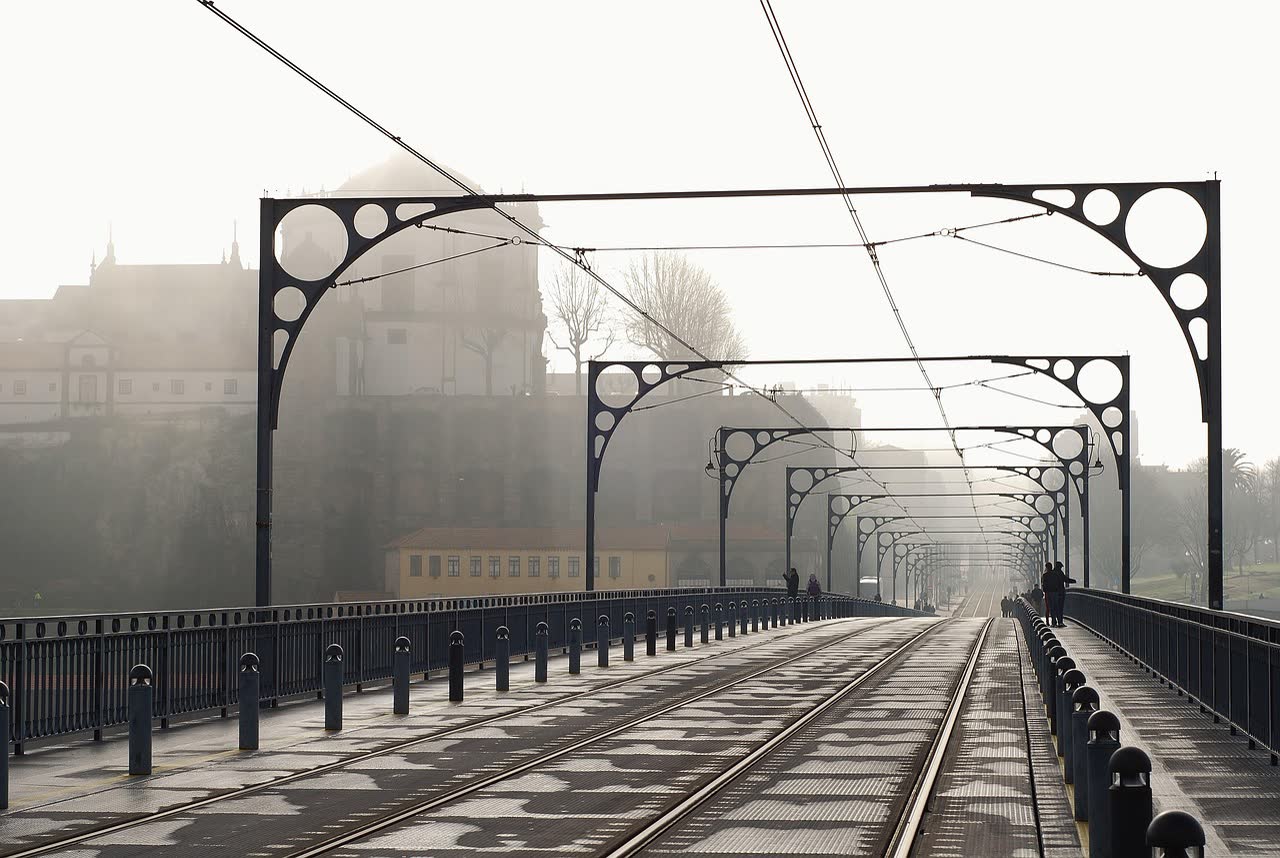
| Porto | No | The centre is compact, though hilly, and the metro runs from the airport. The lower deck of the Dom Luís I bridge has been closed to private cars since 2023. | Metro, walking, Uber or Bolt. |
| Douro Valley | Yes | Quintas and viewpoints are spread along steep, winding roads, trains are few, and the driver can’t join the tastings. | Train from Porto to Pinhão, with quintas on foot or by taxi, or a day tour. From 3 November 2026 to 24 March 2027, replacement buses run between Marco de Canaveses and Régua. See the Douro without a tour. |
| Algarve east (Faro, Olhão, Tavira) | No | All three have stations within walking distance of the centre, and ferries reach the islands. | Regional train, ferries and Vamus buses. |
| Algarve centre (Albufeira, Carvoeiro) | Helpful | Albufeira’s station is a few kilometres outside town, and Carvoeiro is off the railway. Car parks near popular beaches fill early in summer. | Vamus buses, the seasonal Aerobus from Faro airport, taxis, Uber or Bolt. See getting around the Algarve. |
| Algarve west (Lagos, Sagres, west coast) | Helpful | Lagos has a station near the centre, but Sagres, the west coast beaches and the hills around Monchique are far easier by car. Many west coast beaches have no bus at all. | Stay in Lagos and use Vamus buses and boat trips. See the Costa Vicentina. |
| Évora | No | Direct trains from Lisbon take about 1h30, coaches run more often, and the walled old town is small enough to see on foot. | Train, or a Rede Expressos coach from Sete Rios. See Lisbon to Évora. |
| Alentejo villages and coast | Yes | Buses to the villages are infrequent, Monsaraz has only limited buses, the Almendres stone circle has no regular bus, and there is no railway on the coast. | A taxi or tour from Évora. Rede Expressos runs two buses a day from Lisboa Oriente to Sines via Comporta and Melides. See Alentejo beaches. |
| Coimbra and Tomar | No | Both are on the railway: Coimbra is about 1h40 from Lisbon on the fastest trains, and Tomar about 2 hours. | Train, then the Metrobus from Coimbra-B into the centre. See Tomar. |
| Silver Coast (Óbidos, Nazaré, Peniche) | Yes | Express buses reach the main towns, but links between them are slow. The Oeste line has had no trains between Meleças and Caldas da Rainha since storm Kristin in January 2026. | The Rápida Verde bus from Campo Grande to Óbidos (about an hour) or Rede Expressos to Nazaré (about 1h45), with one or two bases. See the Silver Coast. |
| Braga and Guimarães | No | Urban trains from Porto São Bento take about an hour to Braga and a little longer to Guimarães. | Train, plus the bus between the two (about 30 to 40 minutes). See Braga and Guimarães. |
| Peneda-Gerês | Yes | Waterfalls and stone villages are spread across the park, and limited buses from Braga reach only Gerês village. | A day tour from Porto. See Peneda-Gerês. |
| Madeira | Helpful | Funchal is easy on foot and by city bus, but buses to the north and far west are infrequent and slow, and linear walks end far from where they start. | Day tours, taxis for one-way walks and the cable car to Monte. See getting around Madeira. |
| Azores (São Miguel) | Yes | Buses are slow and infrequent and don’t reach most viewpoints. | Stay in Ponta Delgada, with day tours to Sete Cidades and Furnas and taxis for short trips. See the São Miguel itinerary. |
| Porto Santo | No | The island is small, and its flat roads suit bikes. | Walk into Vila Baleira from the ferry, then use taxis, bikes or e-bikes. See Porto Santo. |
When a car is worth it
- Road trips: linking regions at your own pace, such as the Alentejo and the Algarve west coast. Faro to Lagos takes about an hour on the A22, which has been toll-free since January 2025. See the best road trips in Portugal.
- Rural stays: a quinta in the Douro, a village in the Alentejo or a base in Peneda-Gerês, where rural buses can be sparse or absent at weekends.
- Beaches off the train line: the Costa Vicentina, the Alentejo coast and the western Algarve coves, where many beaches have no bus. In summer, car parks fill by mid-morning, so arrive early.
- Families: with young children and luggage, a car saves a lot of changes. Under-12s shorter than 135cm must ride in the back in a child seat or booster, so book one with the car.
- Costs: hire can start from about €12 a day, with €45 to €60 a day typical in high season. Fuel was around €2 to €2.20 a litre in autumn 2026. Automatics cost more and sell out early.
When it isn’t
- City breaks: in Lisbon and Porto, public transport, walking and ride-hailing are easier, and a hire car mostly sits in a car park.
- Parking: Lisbon street parking costs about €0.85 to €2.10 an hour, for 2 or 4 hours at most, and central car parks about €13 to €30 a day. See parking in Lisbon.
- Old towns and the ZER: Lisbon’s historic quarters, such as Alfama and Bairro Alto, are closed to cars without a permit, and very old cars are banned from the central low emission zone (ZER) on weekdays. Hire cars meet the ZER rules. In Sintra, Óbidos, Évora and Lagos, park outside the walls or centre and walk in.
- Tolls: most motorways charge. In 2026 the A1 from Lisbon to Porto cost about €25.05 for a car and the A2 to the Algarve about €23.80, and some roads are electronic-only, so take the hire company’s Via Verde device. See Portugal tolls explained.
- One-way fees: dropping the car somewhere other than where you collected it adds a one-way fee, and leaving it in Spain usually costs a lot more.
- Wine tasting: the drink-drive limit is 0.5 g/l, or 0.2 g/l for drivers in their first three years, so in the Douro and the Alentejo someone has to stay sober.
Mix and match
Many visitors combine the two. Take the train between Lisbon, Coimbra, Porto and the Algarve, and hire a car only for the rural days. Collect one in Évora after the train for Monsaraz and the wine estates, or at Faro airport for the west coast and inland villages. In the Algarve, a few car-free days in Lagos or Tavira followed by two or three days with a car works well. In Madeira, spend the first days in Funchal without a car, then hire one for two or three days. See car rental in Portugal and driving in Portugal.
Why go car-free
Parking in Lisbon and Porto is hard to find and expensive, the old centres are full of narrow one-way streets, and most motorways have tolls. Without a car you skip all of that, and trains are comfortable and usually good value. You lose some freedom in rural areas, but a mix of trains, buses and the odd tour covers most first trips.
How the network works
- Trains: the national operator is CP. The fast Alfa Pendular and Intercidades trains link Lisbon, Coimbra, Porto and the Algarve and need a seat reservation, which comes with your ticket. Book on the CP website or app, where advance fares are often cheaper. Suburban trains to Sintra, Cascais, Braga and Aveiro are turn-up-and-go. See the train guide.
- Long-distance buses: Rede Expressos and FlixBus cover towns the trains miss, such as Fátima and Nazaré, and run far more often than the train to Évora. Book ahead in summer.
- Regional buses: express buses run from Lisbon’s Campo Grande to Óbidos in about an hour, with fewer departures at weekends.
From the airports
Both main airports are on the metro. In Lisbon, the red line runs from the airport into the city, with changes for the centre. In Porto, the violet metro line goes from the airport to the city centre. In the Algarve, Faro airport has city buses into Faro, where you can pick up trains and coaches along the coast. See Lisbon airport to the city centre.
A car-free route
- Lisbon (3 to 4 days), with day trips by train to Sintra and Cascais. Both take about 40 minutes, from Rossio and Cais do Sodré stations. See day trips from Lisbon by train.
- Train to Porto, stopping in Coimbra if you like. Lisbon to Porto takes about three hours on the fastest trains, and Coimbra is roughly halfway. Fast trains stop at Coimbra-B, outside the centre, so allow time for the short link into town. See the Coimbra day trip.
- Porto (3 days), with the train to the Douro or Braga. Braga is about an hour away, and the scenic Douro line reaches Pinhão in about two and a half hours. From 3 November 2026 to 24 March 2027, a replacement bus runs between Marco de Canaveses and Régua, so allow extra time. See day trips from Porto by train.
- Train to the Algarve via Lisbon, then stay in Lagos or Tavira. Lisbon to Faro takes around three hours or a little more. For Lagos you usually change at Tunes onto the slower regional line. See getting around the Algarve.
See 2 weeks in Portugal by train.
Shorter trips
With only a week, skip the Algarve and split your time between Lisbon and Porto, with one or two day trips from each. With ten days, add the Algarve at the end and fly home from Faro so you don’t have to go back to Lisbon.
Getting around in the cities
- Lisbon: metro, trams, buses and ferries. Buy a reusable navegante card at a metro station and load it with credit, which saves money over single tickets. The Santa Justa lift and the Glória, Bica and Lavra funiculars have been closed since September 2025, so plan to walk or take a bus up the steepest hills. The Graça funicular reopened in April 2026. See Lisbon public transport.
- Porto: the metro runs from the airport into the centre, and the old centre is compact enough to walk, though it is very hilly. The Guindais funicular has been suspended since July 2026.
- Algarve towns: Lagos, Tavira and Faro all have stations close to the centre. Albufeira’s station is a few kilometres outside town, so you will need a bus or taxi from there. The whole Algarve line has been electric since July 2026, with some direct regional trains between Lagos and Vila Real de Santo António. Local Vamus buses link the resorts.
Where a car really helps
- The Alentejo and its villages.
- The Costa Vicentina beaches.
- The Azores and Madeira: or use tours and taxis.
- The Douro quintas: or join a tour.
A good middle ground is to travel by train and rent a car for just one or two days in the region where you need it. Hiring in a town like Lagos or Évora is usually easier than driving out of Lisbon or Porto. See car rental in Portugal.
Luggage and accessibility
Trains have space for suitcases at the ends of carriages and above the seats, and coaches put big bags in the hold. Old town streets are cobbled and steep, so a backpack or a small case with good wheels makes life easier. If you need help boarding, CP runs an assistance service that you can book ahead.
Car-free tips
- Book tours for hard-to-reach places. See Lisbon tours and Porto tours.
- Ride-hailing is cheap for short gaps. See Uber vs Bolt vs taxi.
- Pack light: cobbles and stairs are tough with big suitcases.
- Check Sunday timetables: rural buses can be sparse or absent at weekends and on public holidays.
- Watch for strikes: rail strikes happen from time to time, so check the news before travel days.
Plan it: Hiring a car for the rural days? Compare car hire. Rather not drive in the Douro? Join a small-group Douro Valley tour from Porto.
FAQ
Do you need a car in Portugal?
Not for the cities. Lisbon, Porto, Coimbra, Évora and the main Algarve towns are easy by train and bus. A car is worth hiring for the Douro quintas, the Alentejo villages and coast, the Silver Coast, Peneda-Gerês and the Azores, and for a few days in Madeira.
Can you travel around Portugal without a car?
Yes. Trains link Lisbon, Coimbra, Porto and the Algarve, and buses reach most other towns. You only really miss out on rural areas like the Alentejo villages and the wilder coast.
Can you get to Sintra without a car?
Yes. Trains leave Lisbon’s Rossio station regularly and take about 40 minutes. Private cars can’t drive up to Pena Palace anyway, so the train and local buses are the easiest way.
How do you see the Douro Valley without a car?
Take the train from Porto along the river to Peso da Régua or Pinhão, or join a day tour that includes wine tastings. From 3 November 2026 to 24 March 2027, replacement buses run between Marco de Canaveses and Régua. See the Douro Valley without a tour.
Is the Algarve doable without a car?
Yes, if you stay in a town with a station such as Lagos, Tavira or Faro. Use trains, Vamus buses and boat trips to get around.
More: the train guide, Portugal by bus and first time in Portugal.
Some links in this guide are affiliate or referral links (GetYourGuide, Booking.com, Discover Cars, Welcome Pickups, Airalo, Yesim, Saily, Tiqets, Radical Storage, EKTA, AirHelp, Uber). If you book or sign up through them we may earn a small commission or ride credit at no extra cost to you. It helps keep our groups and this site free.
Still got questions?
Ask 305,000+ travellers and locals in our free Facebook groups.