25 Best Things to Do in Lisbon (2026 Guide With Map)
Lisbon is one of Europe’s most loved cities: seven hills of tiled houses and viewpoints, a castle, monasteries, trams, fado and some of the best food anywhere. This guide ranks the 25 best things to do in Lisbon for a first visit, with 2026 prices, booking rules and the closures you need to know about.
Quick answer: the top five are São Jorge Castle (€17), Alfama’s lanes, the Jerónimos Monastery (cloister €18, church free), Belém Tower (€15, timed slots booked at least 24 hours ahead) and the free miradouros (viewpoints). Then add tram 28 early in the morning, a fado night, a pastel de nata and a day trip to Sintra. Note: the Santa Justa Lift and the Glória, Bica and Lavra funiculars are closed in 2026.
The 25 best things to do in Lisbon
The list starts with the sights most first-time visitors should not skip and moves on to extras for a longer stay, with day trips at the end. Prices are 2026 adult prices. Many museums and monuments close on Mondays, and the MAAT and the Gulbenkian close on Tuesdays, so check the day before you set off.
The map pins every sight in the list that has a fixed spot in the city; the food tour, the sunset cruise and the day trips are left off. Numbers match the list.
1. São Jorge Castle
The Moorish castle on Lisbon’s highest hill has walls to walk, peacocks in the gardens and the best views in the city. Adults pay about €17 (under-12s and Lisboa Card holders go free), and it is open 9am to 6pm from November to February and until 9pm from March to October. Allow 1.5 to 2 hours, buy online to skip the ticket line, and take bus 737 from Praça da Figueira to save the climb. See the São Jorge Castle guide.
2. Alfama
Lisbon’s oldest neighbourhood survived the 1755 earthquake better than most of the city, so its tangle of lanes is centuries old. Wander down from the castle past the Santa Luzia and Portas do Sol viewpoints to the Sé, the 12th-century cathedral, where the naves now need a €7 ticket. Wear good shoes, expect to get lost, and come back at night for fado. See the Alfama guide and Lisbon Cathedral.
3. Jerónimos Monastery
Built from 1501 with spice-trade wealth, this Manueline monastery in Belém holds the tomb of Vasco da Gama. The church is free, and the two-storey cloister costs €18 (Tuesday to Sunday, 9:30am to 5:30pm, closed Mondays). Take tram 15 from Praça da Figueira or Praça do Comércio (about 25 minutes), allow 1 to 1.5 hours, and buy cloister tickets online, as they often sell out. See the Jerónimos Monastery guide and a day in Belém.
4. Belém Tower
The 16th-century fortress on the Tagus reopened on 27 May 2026 after restoration, with timed entry. Tickets cost €15 for half-hour slots of up to 60 people, with about 900 visitors a day, and online slots must be booked at least 24 hours ahead. It is open Tuesday to Sunday, 9:30am to 5:30pm, and a visit takes 45 minutes to an hour; the first slot of the day or one from about 4pm misses the tour groups. See the Belém Tower guide.
5. The miradouros
Lisbon’s hilltop viewpoints are free public terraces, and most have a kiosk for a coffee or a cold beer with the view. For the classic Alfama view, go to Santa Luzia and Portas do Sol; for the biggest panorama, climb to Senhora do Monte. For sunset with a drink, try Graça or São Pedro de Alcântara. See the best Lisbon viewpoints.
6. Tram 28, done right
The famous yellow tram runs from Martim Moniz through Graça, Alfama, the Baixa, Chiado and Estrela to Prazeres, and the full ride takes under an hour. From mid-morning to late afternoon it is packed and a pickpocket hotspot, so board at Martim Moniz before 9am or ride the quieter western end from Campo de Ourique. A ride costs €3.30 on board, about €1.72 with zapping credit on a navegante card, or is covered by a €7.25 24-hour pass. At busy times, tram 12 or tram 25 (weekdays only) gives a similar ride; see the Lisbon trams guide.
7. A fado night
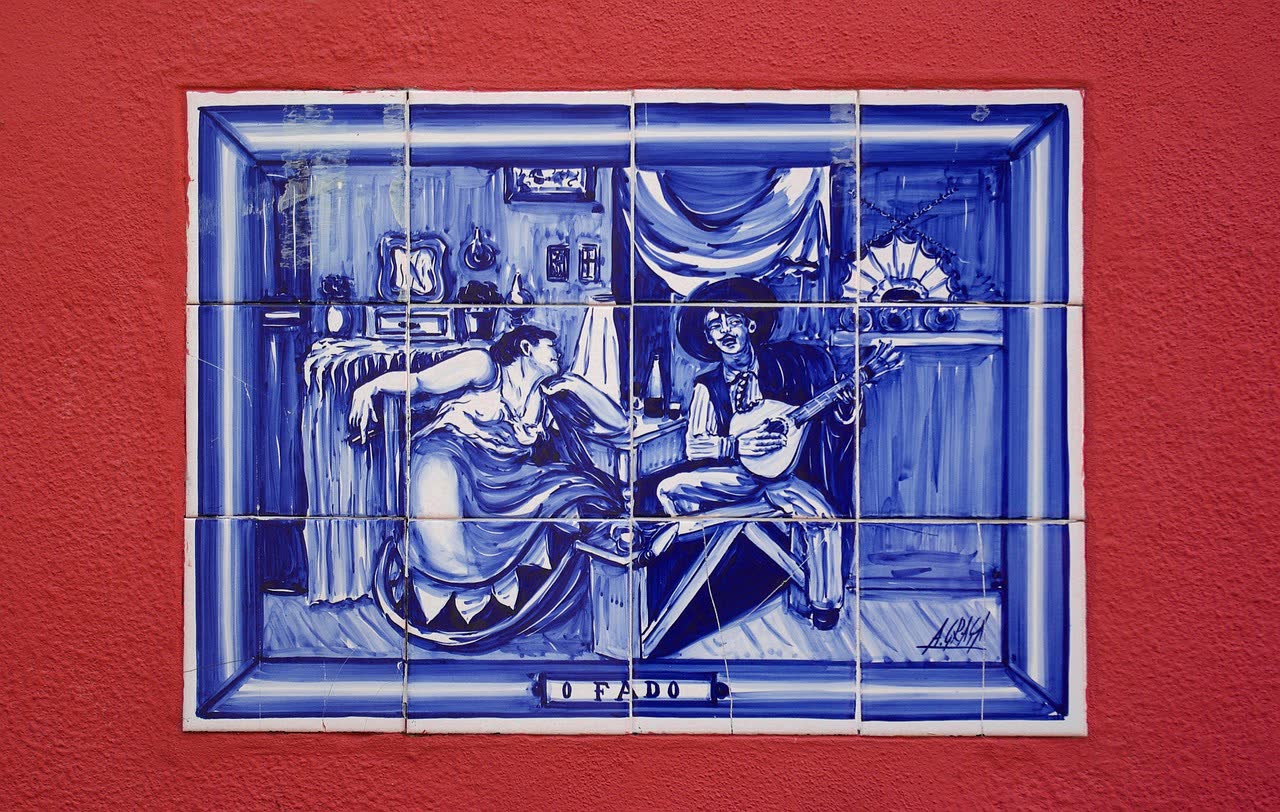
Fado is Portugal’s song of longing, sung to the 12-string Portuguese guitar. For a cheap, authentic night, try the amateur fado at Tasca do Chico (Bairro Alto) or A Baiuca (Alfama), or book a fado house dinner for about €50 to €70 per person. The 50-minute Fado in Chiado show (about €23, Monday to Saturday at 7pm) suits families, and the Museu do Fado (€5, closed Mondays) is a good introduction. See fado in Lisbon.
8. A pastel de nata, warm from the oven
The custard tart was created by the monks of Jerónimos, and Pastéis de Belém has baked its version since 1837, open daily from 8am. A tart costs €1.60 there: skip the takeaway queue and walk inside to find a table in the tiled rooms at the back. In the centre, Manteigaria (about €1.30) is the best all-rounder, and Aloma won the city’s Best Pastel de Nata contest in September 2026 for the third year in a row. See the best pastel de nata in Lisbon and Pastéis de Belém.
9. Praça do Comércio and the Baixa
The riverside square stands on the site of the royal palace destroyed in 1755, and the Baixa behind it was rebuilt as a grid of straight streets. Climb the Rua Augusta Arch (€5, daily 10am to 7pm) for the view, then walk up Rua Augusta to Rossio for a glass of ginjinha at A Ginjinha (about €1.50 to €2). Allow half a day. See the Baixa guide, Praça do Comércio and the ginjinha guide.
10. Chiado and Bairro Alto
Chiado is the elegant side of the hill, with the A Brasileira café (open since 1905) and Bertrand, the oldest operating bookshop in the world (since 1732). Nearby, the roofless Carmo Convent, ruined in the 1755 earthquake, costs about €7 and is closed on Sundays. Bairro Alto is a quiet village by day and Lisbon’s biggest street party by night. With the lifts closed, ride the free escalators inside Baixa-Chiado station; see Chiado and Bairro Alto and the Carmo Convent.
11. Time Out Market
The food hall at Cais do Sodré, opposite the station, is an easy way to try a lot of Portuguese food in one meal, with stalls picked by Time Out Lisboa’s food writers. It is busiest at lunch and dinner, so go at 11:30am or mid-afternoon for a table, and share a bifana, seafood and a pastel de nata. The traditional fresh market in the other half of the building is best in the morning and closed on Sundays. See the Time Out Market guide.
12. Gulbenkian Museum
The Gulbenkian holds Egyptian antiquities, Islamic art, European paintings and Lalique jewellery, and it reopened on 18 July 2026 after a renovation of about 16 months. Adult entry is about €10 and free for everyone on Sundays from 2pm; it is closed on Tuesdays and open until 9pm on Saturdays. Allow 2 to 3 hours with the CAM (Modern Art Centre), plus time in the free gardens, near São Sebastião metro. See the Gulbenkian Museum guide.
13. LX Factory
This old industrial complex under the 25 de Abril Bridge in Alcântara is now shops, restaurants, bars and the Ler Devagar bookshop, with its flying bicycle sculpture. Entry is free, and on Sundays the LX Market fills the main street with crafts, vintage clothes and food, usually from 11am to 6pm. Allow two to three hours, and combine it with Belém by tram 15. See the LX Factory guide.
14. MAAT and the riverside
The wave-shaped Museum of Art, Architecture and Technology sits on the river between Cais do Sodré and Belém, next to an old red-brick power station that is part of the same museum. Tickets cost €16 for visitors from abroad (€12 for Portugal residents), but the roof walk, with views of the 25 de Abril Bridge, is free. It is closed on Tuesdays and usually open 10am to 7pm; allow 1 to 2 hours, then walk along the river to the Belém monuments. See the MAAT guide.
15. Oceanário de Lisboa
The aquarium in Parque das Nações is built around a vast central tank with sharks, rays and sunfish, plus sea otters and penguins. In 2026 adults pay about €29.90 for entry from 10am to 11:30am, €27.70 from noon and €25.50 from 4pm, and children aged 3 to 12 from about €15.50. Allow 2 to 3 hours, take the red metro line to Oriente, and ride the cable car along the river afterwards. See the Oceanário guide and Parque das Nações.
16. A food tour
A walking food tour early in your trip teaches you what to order for the rest of it. Most last about three to four hours with five to eight stops, covering petiscos, ginjinha, pastel de nata and tinned fish. Book ahead in summer, as small groups fill up, and mention dietary needs when you book. See Lisbon food tours, or read food tours in Portugal and what to eat in Lisbon.
17. Príncipe Real
This calmer district above Bairro Alto has design and vintage shops, a garden kiosk and a giant cedar in the Jardim do Príncipe Real. On Saturdays there is an organic market in the garden, and the Lisbon Botanical Garden down the hill costs about €5. Take the metro to Rato and walk about 10 minutes on the flat, as the Glória funicular is closed. See the Príncipe Real guide.
18. Mouraria and Graça
Mouraria, the tangle of lanes below the castle, is often called the birthplace of fado: walk up Rua do Capelão past the fado portraits. From Rua dos Lagares, the Graça funicular (reopened on 30 April 2026, about €4.30 for two trips on board, or use a travel pass) lifts you to the Miradouro da Graça. Carry on to Senhora do Monte, one of the city’s highest viewpoints. See Mouraria and Graça.
19. Campo de Ourique and its market
At the end of the tram 28 line, Campo de Ourique is a flat grid of residential streets, rare in hilly Lisbon. Its market opened in 1934 and became a food hall in 2013, but fresh stalls still trade in the mornings and food counters stay open into the evening. Add the Casa Fernando Pessoa (usually closed Mondays), Aloma’s prize-winning tarts and the free Prazeres Cemetery. See Campo de Ourique and Lisbon food markets.
20. A sunset cruise on the Tagus
A sunset sail passes Belém Tower and the Monument to the Discoveries, goes under the 25 de Abril Bridge and returns along the Baixa waterfront. Most trips last 1.5 to 2 hours, often with drinks included, and small boats fill up fast in summer. Portugal moves its clocks back on the last Sunday in October, so winter sunsets come an hour earlier. See sunset sails, or read the Lisbon sunset cruise guide.
21. Feira da Ladra and the National Pantheon
Lisbon’s oldest flea market fills Campo de Santa Clara every Tuesday and Saturday, officially from 9am to 6pm, with old tiles, records, books and plenty of junk. Go in the morning, bring cash in small notes and haggle politely. Next to it, the white-domed National Pantheon (€10, closed Mondays) holds the tomb of the fado singer Amália Rodrigues and has a terrace with river views. See the Feira da Ladra guide and the National Pantheon.
22. The ferry to Cacilhas and Cristo Rei
The ferry from Cais do Sodré to Cacilhas takes about 10 minutes and gives you views back to the city. From Cacilhas, a bus or taxi climbs to the Cristo Rei statue, where the lift to the viewing platform costs about €8 to €10 and the grounds are free. Allow half a day, with seafood in Cacilhas afterwards. See the Cristo Rei guide.
23. National Museum of Ancient Art
The MNAA, in a 17th-century palace on Rua das Janelas Verdes, holds Portugal’s finest old masters. It closed on 29 September 2025 for work on the roof and façades, and reopened partly on 21 November 2026, with free entry until 1 December. The restored Panels of St Vincent are the highlight, but check which rooms are open before you go. See the best museums in Lisbon.
24. A day trip to Sintra
Sintra’s palaces are the classic day trip: the train from Rossio takes about 40 minutes and costs about €2.05 with zapping credit. Book Pena Palace (€20, timed entry) and Quinta da Regaleira (€20, 30-minute slots) online before you go, while the Moorish Castle (€12) can be bought on the day. Use the 434 bus loop (24-hour pass about €13.50), a tuk-tuk or a taxi, as private cars can’t drive up to Pena. See Lisbon to Sintra and Sintra palace tickets.
25. A day trip to Cascais
Cascais is the easiest beach trip from Lisbon: the direct train from Cais do Sodré takes about 40 minutes, runs every 20 minutes for most of the day and costs €2.05 with zapping credit. Sit on the left for sea views. Spend the day on the town beaches and in the old town, walk or cycle to Boca do Inferno, and add Guincho and Cabo da Roca if you have time or a car. See Lisbon to Cascais and things to do in Cascais.
Closed in 2026: the Santa Justa Lift and the Glória, Bica and Lavra funiculars have been closed since the September 2025 Glória accident, with no reopening date, so they are not on this list. You can still admire the Santa Justa Lift’s iron tower from the Baixa. The Graça funicular reopened on 30 April 2026. The National Tile Museum is also closed for works, with no reopening date announced.
Book ahead
Most of Lisbon needs no booking, but these sights and trips sell out or mean long queues on the day:
- Belém Tower: timed slots (€15) on the official Museus e Monumentos de Portugal site, at least 24 hours ahead. Lisboa Card holders still need a slot.
- Jerónimos cloister: €18 on the same official site. Tickets often sell out, so book a few days ahead even from October to March.
- Sintra palaces: Pena (€20) and Quinta da Regaleira (€20) have timed slots and separate ticket shops. See Pena Palace tickets.
- Oceanário: buy online to skip the queue, and pick a slot from 4pm for the lowest price. See Oceanário tickets.
- Fado dinner: book fado houses ahead, especially at weekends, and A Baiuca a week or two ahead. See fado shows.
- São Jorge Castle: online tickets skip the ticket line, which can be long in summer.
- Food tours and sunset sails: small groups and small boats fill up fast in summer.
Practical tips
- Wear good shoes. The pavements are steep and the polished limestone gets slippery when wet.
- Use the metro and buses for the hills. With the lifts and most funiculars closed, the metro, buses or a short Uber or Bolt ride are the easy way up.
- Mondays: many museums and monuments close, so plan Mondays around neighbourhoods, markets and viewpoints.
- Lisboa Card: it gets you into the castle, the Jerónimos cloister and Belém Tower (with a booked slot), but not the Oceanário. See is the Lisboa Card worth it?
- Late-night drinks: since February 2026, shops can’t sell alcohol to take away after 11pm Sunday to Thursday or after midnight on Friday and Saturday, so buy before then if you plan a drink at a viewpoint.
Plan your trip
- Itineraries: 1 to 5 days in Lisbon.
- Where to stay: the best areas by neighbourhood.
- Getting around: public transport.
- On a budget: free things to do in Lisbon.
- Tours: the best tours in Lisbon.
Is Lisbon worth visiting?
Yes. Lisbon is worth visiting for its atmosphere, viewpoints, food, history and easy day trips to Sintra and Cascais. Be ready for steep hills, crowds in summer and pickpockets in busy areas. Spend at least 3 days.
Why Lisbon is worth it
- Atmosphere: trams, tiled façades, laundry lines and miradouros.
- Food: pastel de nata, seafood, petiscos and good-value lunches.
- History: Belém’s monuments, the castle and the museums in the list above.
- Day trips: Sintra, Cascais and beaches nearby. See day trips from Lisbon.
- Climate: mild winters and lots of sunshine. See the best time to visit.
The downsides
- Hills and cobbles: tiring, especially with mobility issues. See accessible travel.
- Crowds: tram 28, Belém and the viewpoints get busy in summer.
- Pickpockets: watch your bag. See is Lisbon safe? and Lisbon tourist traps and scams.
- Rising prices: hotels in peak season aren’t cheap.
Who will love it
Food lovers, history buffs, photographers, couples and anyone who enjoys wandering.
How many days do you need in Lisbon?
3 to 4 days is ideal: 2 days for the city (Alfama, the Baixa, Chiado and Belém), 1 day for Sintra, and 1 day for Cascais or another day trip. With only 2 days, focus on the top 10 of the list. With 5 days, add more day trips like Évora or the Arrábida coast.
What you can do
- 1 day: the highlights at speed.
- 2 days: the old town and Belém.
- 3 days: add Sintra.
- 4 days: add Cascais or slower days.
- 5 days: add Évora, Óbidos or Arrábida. Every plan is in our Lisbon itinerary.
Day trips worth adding
- Sintra: see things to do in Sintra.
- Cascais: see the Cascais day trip.
- Évora: see the Évora day trip.
- More: see the best day trips from Lisbon.
Plan it: Find a place to stay in Lisbon close to the sights you want most, book Belém Tower on the official site at least 24 hours ahead, and fit a food tour into your first day.
FAQ
What is the best thing to do in Lisbon?
For a first visit, start with São Jorge Castle and the lanes of Alfama, then spend a day in Belém for the Jerónimos Monastery, Belém Tower and a warm pastel de nata.
Are the Santa Justa lift and Lisbon’s funiculars open?
No. The Santa Justa lift and the Glória, Bica and Lavra funiculars have been closed since the September 2025 accident, and the Glória isn’t expected back before about 2029. The Graça funicular reopened on 30 April 2026. See Lisbon trams.
Do you need to book Belém Tower in advance?
Yes, in practice. Entry is by timed half-hour slot (€15) with about 900 visitors a day, and online slots need booking at least 24 hours ahead. Leftover slots are sold in person but run out on busy days. Jerónimos (€18 for the cloister) is next door, and both are closed on Mondays.
What can you do for free in Lisbon?
The miradouros, Alfama’s lanes, the MAAT roof walk, LX Factory, the Gulbenkian gardens and the Jerónimos church are all free, and the Gulbenkian Museum is free for everyone on Sundays from 2pm.
Is there a tourist tax in Lisbon?
Yes. Hotels and guesthouses charge €4 per person per night from age 13, up to a maximum of seven nights. Under-13s don’t pay.
See also: Lisbon travel tips, the best restaurants in Lisbon and unusual things to do in Lisbon.
Some links in this guide are affiliate or referral links (GetYourGuide, Booking.com, Discover Cars, Welcome Pickups, Airalo, Yesim, Saily, Tiqets, Radical Storage, EKTA, AirHelp, Uber). If you book or sign up through them we may earn a small commission or ride credit at no extra cost to you. It helps keep our groups and this site free.
Still got questions?
Ask 305,000+ travellers and locals in our free Facebook groups.