Trip guides / Food & drink
Portuguese Food: What to Eat in Portugal (30 Dishes to Try)
Portuguese food is built on simple things: Atlantic fish and shellfish, pork, bread, olive oil, garlic and a sweet tooth fed by centuries of convent baking. Here are 30 classic dishes grouped by type, with where each comes from, where to eat it and 2026 prices where known.
Quick answer: start with a warm pastel de nata, a bifana (pork roll), bacalhau à Brás (salt cod with egg) in Lisbon, grilled sardines from June to September, polvo à lagareiro (roast octopus), caldo verde soup, arroz de marisco (seafood rice), a francesinha in Porto, a cataplana in the Algarve and espetada (beef skewers) in Madeira. To drink, order vinho verde, port and a ginjinha.
Seafood and fish
The Portuguese eat more fish per person than anyone else in the EU. Fish and shellfish are often priced by the kilo, so ask first. See the Portuguese seafood guide.
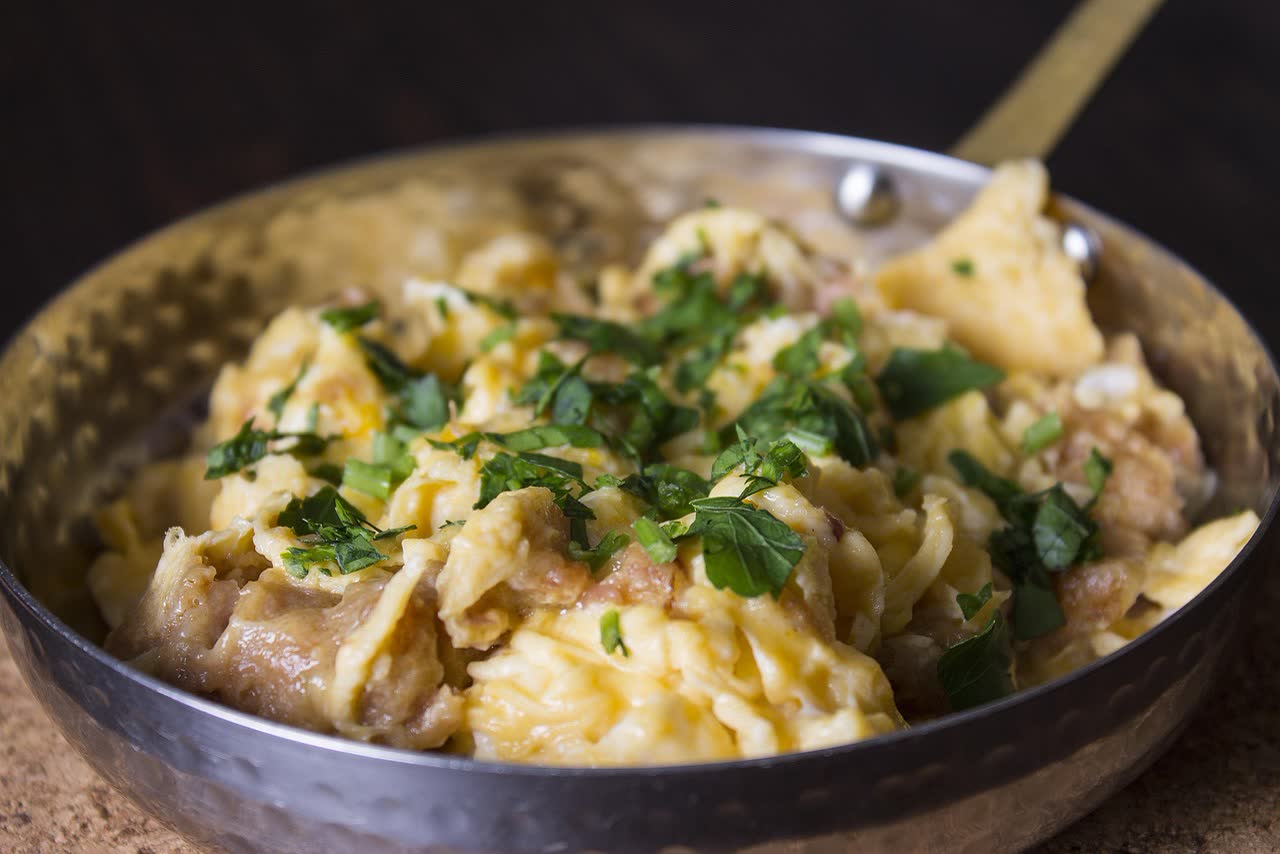
- Bacalhau (salt cod): dried, salted cod, mostly imported from Norway. Try bacalhau à Brás (shredded with egg, onion and matchstick fries) in Lisbon, bacalhau à Gomes de Sá (baked with potatoes, egg and olives) in Porto, or creamy bacalhau com natas. See the bacalhau guide.
- Sardinhas assadas (grilled sardines): whole sardines grilled over charcoal with coarse salt and eaten on a slice of bread. They’re best from June to September, above all at the June festivals in Lisbon and Porto. See Portuguese sardines.
- Polvo à lagareiro: tender roast octopus in hot olive oil and garlic, with small crushed potatoes. A lagareiro is an olive-press worker, a nod to all that oil.
- Cataplana: the Algarve’s signature dish. Seafood, fish or pork and clams steam with tomato, peppers, garlic and wine in a hinged copper pan. It’s usually for two and takes 30 to 45 minutes. See cataplana.
- Caldeirada: a layered stew of fish, potatoes, onion, peppers and tomato, cooked in an open pot. Unlike cataplana, it’s found all over Portugal.
Meat and sandwiches
Pork is the everyday meat, and a sandwich at a café counter makes a cheap, quick lunch.
- Bifana: thin slices of pork simmered in garlic, white wine and paprika, in a soft roll with mustard. It’s said to come from Vendas Novas in the Alentejo. At As Bifanas do Afonso in Lisbon, 2026 listings put one at about €2.50 to €3.50. See bifanas and pregos.
- Prego: the beef version, a thin garlicky steak in a roll, or on a plate with a fried egg and chips as a prego no prato. In Lisbon’s seafood beer halls, locals order one to finish a shellfish meal.
- Francesinha: Porto’s huge sandwich of ham, sausage and steak under melted cheese and a spicy tomato and beer sauce, often with a fried egg and chips. It’s usually credited to Daniel da Silva at A Regaleira in the 1950s. See the francesinha.
- Cozido à portuguesa: a boiled feast of beef, pork, chicken, smoked sausages and vegetables. It’s a cold-weather dish, often served on a set day of the week. In Lisbon, Varanda de Lisboa served it at Thursday lunch in the 2025 to 2026 winter for about €24 with a starter, dessert and wine. See what to eat in Lisbon.
- Leitão da Bairrada: spit-roasted suckling pig with crackling skin and a peppery sauce, served with orange slices and thin crisps. Go to Mealhada, north of Coimbra, where a plate costs about €20 to €30. See leitão da Bairrada.
Soups and rice
Lunch usually starts with soup, and Portugal eats more rice per person than any other European country.
- Caldo verde: potato broth with fine ribbons of kale, olive oil and a slice of chouriço. It comes from the Minho, and a bowl usually costs only a few euros. See caldo verde.
- Sopa da pedra: “stone soup” from Almeirim, near Santarém: beans, pork, sausages, potatoes and coriander. Some restaurants put a stone in the bowl, after the legend of a friar who made soup from one. See Portuguese soups.
- Arroz de marisco: seafood rice with prawns, clams and mussels, served loose and wet in the pot. It’s cooked to order, so allow 25 to 30 minutes. At Uma in Lisbon it costs €19.90 per person in 2026. See Portuguese rice dishes.
Petiscos and snacks
Petiscos are small plates for sharing over a drink, and the classic place for them is a tasca, a small, informal local tavern. On 2026 menus, most plates cost about €9 to €15. See petiscos.
- Pastéis de bacalhau: crisp fritters of salt cod, potato, onion, egg and parsley, called bolinhos in the north. Every café sells them.
- Amêijoas à Bulhão Pato: clams cooked in olive oil with garlic and coriander, finished with lemon. Expect about €14 to €24 a plate, and mop up the juice with bread.
- Pica-pau: bite-sized beef or pork fried with garlic in a white wine or beer sauce, topped with pickles. The name means “woodpecker”, from the way diners pick at it with toothpicks.
Cheese and charcuterie
Many traditional cheeses are made from sheep’s milk and curdled with wild thistle flower. The best-known sausages come from Trás-os-Montes and the Alentejo.
- Queijo Serra da Estrela: Portugal’s most famous cheese, made from raw sheep’s milk in the central mountains. A ripe one is soft enough to eat with a spoon, and it’s best in winter and spring. See Portuguese cheese.
- Alheira: a smoked sausage of meat, bread and garlic from Trás-os-Montes, usually fried and served with chips and a fried egg. Despite a popular story about Jewish converts avoiding pork, the protected Alheira de Mirandela must contain pork. See Portuguese sausages.
- Chouriço assado: a pork sausage cooked over burning alcohol in a clay dish, often lit at the table. Eat it in slices with bread, perhaps with a plate of presunto, Portuguese cured ham.
Sweets and pastries
Many Portuguese sweets began in convents, where nuns turned leftover egg yolks into cakes and custards.
- Pastel de nata: a custard tart with flaky pastry, best warm with cinnamon. The original pastéis de Belém have been baked in Belém since 1837 and cost €1.60 each in 2026. Aloma won Lisbon’s official contest in 2026 for the third year running. See the best pastel de nata in Lisbon and Pastéis de Belém.
- Ovos moles: a cream of egg yolk and sugar sealed in thin wafers shaped like fish and shells, or in painted barrels. They come from Aveiro, have had EU protected status since 2009 and cost about €9 for a 250 g box. See ovos moles.
- Pão de ló: Portuguese sponge cake. In Alfeizerão, near Óbidos, it’s made gooey and half-baked in the middle. See Portuguese desserts.
- Queijadas: small cheese tarts. Sintra’s are the best known, sold at Casa Piriquita beside the travesseiro, a puff pastry “pillow” with an egg and almond filling that costs about €2. See Sintra’s pastries.
Regional specialities
Porto and the north
Besides the francesinha, try a sandes de pernil (slow-roast pork roll) at Casa Guedes, and grilled fish in Matosinhos. See what to eat in Porto.
- Tripas à moda do Porto: a stew of tripe and white beans. Legend says the city gave its meat to the explorers’ ships in the 1400s and kept the tripe, which is why locals are still called tripeiros.
The Alentejo
The rural south cooks with bread, olive oil, garlic and coriander. Look for migas (fried bread with pork) and açorda alentejana, a bread soup with garlic, coriander and a poached egg. See Alentejo food.
- Porco preto: meat from the black Iberian pig, fattened on acorns in the cork and holm oak woodland. The marbled cuts are grilled and served with chips or migas.
The Algarve
Cataplana is the signature dish. Finish with a Dom Rodrigo, egg-yolk threads with almond and cinnamon wrapped in coloured foil. See what to eat in the Algarve, or taste the region on a Lagos food tour.
- Frango piri-piri: a butterflied chicken grilled over charcoal and basted with chilli oil, served with chips and salad. Guia, just north-west of Albufeira, has been famous for it since the 1960s. See piri-piri chicken.
Madeira
Also try espada (black scabbardfish) with fried banana, and take home a bolo de mel, a dark sugar-cane honey cake that keeps for months. See what to eat in Madeira, or join a Funchal food tour.
- Espetada: chunks of beef seasoned with garlic and bay leaf, threaded on a bay-laurel stick and grilled over charcoal. It’s the star of the summer village festivals.
- Bolo do caco: a round flatbread made with sweet potato and cooked on a hot basalt slab, served warm with garlic and parsley butter. It also makes the island’s favourite steak sandwich, the prego no bolo do caco.
The Azores
On Terceira, order alcatra, beef slow-cooked in a clay pot. Across the islands, try firm, sharp São Jorge cheese. See what to eat in the Azores.
- Cozido das Furnas: meats, sausages and vegetables in pots lowered into the hot ground by Lagoa das Furnas on São Miguel, where they cook for around five hours. Non-residents pay about €3 to enter the fumarole area and watch the pots come out around midday. Many Furnas tours stop at the lake.
- Lapas: limpets grilled in their shells with garlic butter and lemon, eaten in the Azores and Madeira. In the Azores, harvesting is banned from 1 October to 31 May, so summer is the time for fresh ones.
Drinks
- Port: the sweet fortified wine of the Douro Valley, aged in the lodges of Vila Nova de Gaia. Try a fruity ruby, a nutty tawny or a white port with tonic. Cellar tours with tastings cost about €15 to €40. See the port wine guide.
- Vinho verde: light, fresh and sometimes slightly fizzy wine from the Minho. “Verde” means young, not green, and it’s the classic match for sardines and clams. See vinho verde.
- Ginjinha: sour cherry liqueur, about €1.50 to €2 a glass at A Ginjinha by Rossio in Lisbon, or served in a chocolate cup in Óbidos. Order it com elas (with the cherries) or sem elas (without). See ginjinha.
- Poncha: Madeira’s drink of sugar-cane rum, lemon juice and honey or sugar, stirred with a wooden stick. It’s said to have started in Câmara de Lobos, costs about €1.50 to €2.50 in local bars and is stronger than it tastes. See Portuguese liqueurs.
- Coffee and beer: an espresso is a bica in Lisbon and a cimbalino in Porto. A small draught beer is an imperial or, in Porto, a fino.
How to eat like a local
- Meal times: restaurants usually serve lunch from noon to about 3pm and dinner from about 7pm, busiest from 8 to 9pm. Many kitchens close in between, so fill the gap with a lanche (afternoon snack) at a pastry shop. See meal times in Portugal.
- The couvert: bread, butter, olives or cheese put on the table aren’t free, but you only pay for what you eat. Send them back if you don’t want them. A simple couvert usually adds about €2 to €5. See the couvert in Portugal.
- Prato do dia: the weekday lunchtime dish of the day is the best-value meal, usually about €9 to €14 in a tasca in 2026.
- Ordering: ask for a meia dose (half portion) where it’s offered. Fish sold by the kilo adds up fast: a 600 g fish at €50 a kilo costs €30. Order rice dishes and cataplana as soon as you sit down.
- Tipping: it’s voluntary. Leave around 5 to 10% for good service, or round up the bill. See tipping in Portugal.
- Where to eat: walk a street or two back from the main squares for better food and prices.
Plan it: Try a dozen of these in one afternoon on a Lisbon food tour or a Porto food tour, bake your own at a pastel de nata class, or compare styles at a port tasting in Gaia.
FAQ
What is Portugal’s national dish?
There’s no official one, but most Portuguese would name bacalhau, salt cod. Cozido à portuguesa and grilled sardines are close behind.
Is Portuguese food spicy?
Not usually. Most dishes lean on garlic, olive oil, bay leaf and coriander. The heat comes from piri-piri chilli sauce, often served on the side, and from some francesinha sauces, so ask if a dish is picante.
How much does food cost in Portugal?
In 2026 a weekday prato do dia costs about €9 to €14 in a tasca, a bifana a few euros and a pastel de nata about €1.30 to €1.60 at the best-known Lisbon bakeries.
When is the best time of year for Portuguese food?
Every season has something. Summer brings sardines and fresh limpets in the Azores. Autumn and winter are the time for cozido, porco preto and freshly ripened Serra da Estrela cheese.
Is Portuguese food good for vegetarians?
Traditional menus lean heavily on meat and fish, and even vegetable soups can be made with meat stock, so ask. Safer choices include peixinhos da horta (green beans in batter), açorda alentejana, cheese and pastries.
More: food tours in Portugal and cooking classes in Portugal.
Some links in this guide are affiliate or referral links (GetYourGuide, Booking.com, Discover Cars, Welcome Pickups, Airalo, Yesim, Saily, Tiqets, Radical Storage, EKTA, AirHelp, Uber). If you book or sign up through them we may earn a small commission or ride credit at no extra cost to you. It helps keep our groups and this site free.
Still got questions?
Ask 305,000+ travellers and locals in our free Facebook groups.